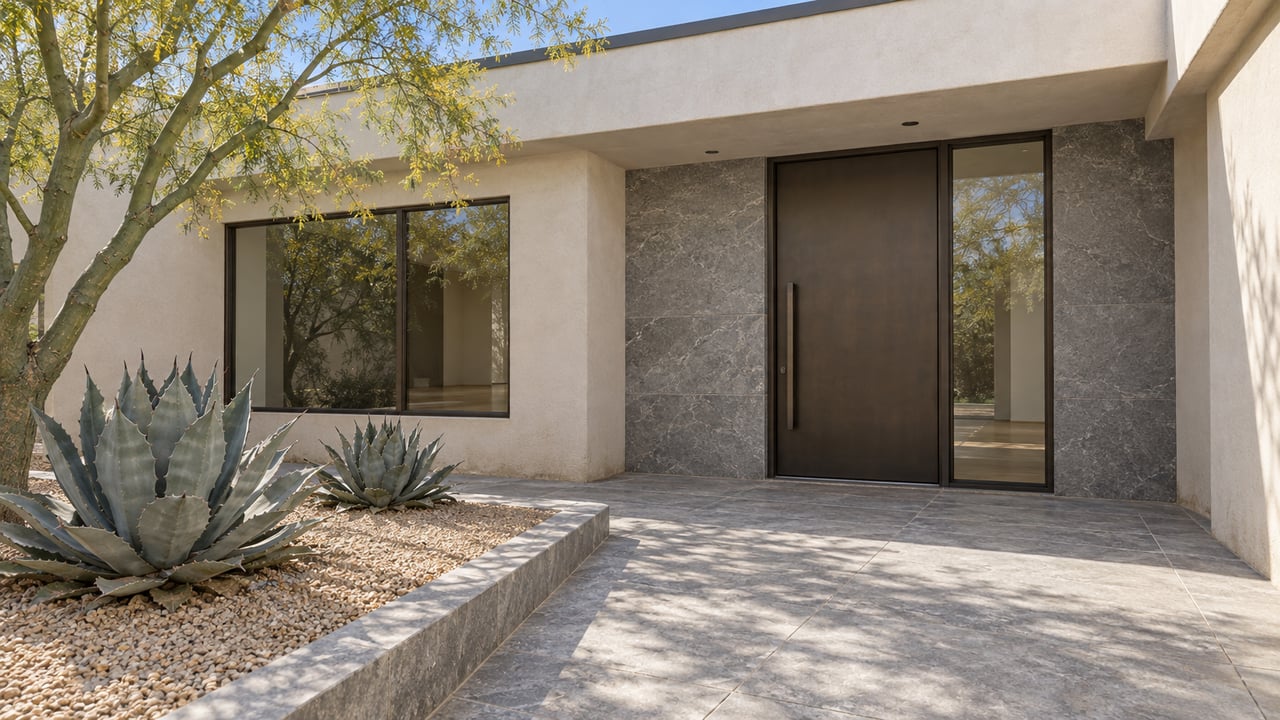
If your Henderson home no longer fits the way you live, you are not alone. Some homeowners need more room for a growing household, a home office, or extra storage, while others want less upkeep and a simpler layout. The key is not just deciding whether to upsize or downsize, but building a plan that fits your budget, timeline, and goals. Let’s dive in.
Start With Your Why
Before you look at homes, get clear on what is pushing the move. In Henderson, both paths are common because the city has a mix of households at different life stages. According to U.S. Census QuickFacts for Henderson, 21.4% of residents are under 18 and 20.4% are 65 or older, which points to steady demand from both move-up buyers and homeowners looking to rightsize.
If you are upsizing, your goal may be more bedrooms, a larger yard, guest space, or a dedicated office. If you are downsizing, you may want lower maintenance, fewer stairs, or the chance to free up equity. Either way, the best move is the one that supports how you want to live over the next several years.
Henderson Market Conditions Matter
Your next move should match current market realities, not just long-term plans. In Henderson, Redfin’s housing market data reported a median sale price of $490,000 in February 2026, down 3.9% year over year. Homes were taking about 84 days to sell, averaging 2 offers, and closing at 97.9% of list price.
That matters for both buyers and sellers. If you are selling first, you should not assume a fast closing. If you are buying next, this type of market can create room for negotiation, but realistic pricing and strong timing still matter because about 24% of homes had price drops.
Focus on Monthly Cost, Not Just Price
A bigger or smaller home can change more than your mortgage payment. The Consumer Financial Protection Bureau recommends reviewing your current spending, avoiding new debt before buying, and remembering that closing costs usually run about 2% to 5% of the purchase price, separate from your down payment.
That is why your decision should be built around your full monthly cost. Think about principal and interest, property taxes, insurance, utilities, HOA dues if applicable, and ongoing maintenance. A downsized home with higher taxes, dues, or insurance may not feel as affordable as it looks on paper, while a larger home may still work if your income and cash reserves support it comfortably.
Compare Upsizing vs. Downsizing Goals
Sometimes the right answer becomes clearer when you compare your trade-offs side by side.
| Option | Often Makes Sense If You Want | Main Planning Focus |
|---|---|---|
| Upsizing | More space, added flexibility, room for future needs | Higher monthly payment, closing costs, timing the sale and purchase |
| Downsizing | Lower upkeep, simpler layout, potential equity release | Storage decisions, tax changes, finding the right fit for daily life |
The point is not just square footage. It is whether the home supports your lifestyle without stretching your finances or adding stress you do not want.
Plan the Sale Before the Purchase
For many homeowners, selling first is the more practical path. The CFPB notes that people who want to move often try to sell their current home first and then buy the next one. In Henderson, where homes have recently been taking about 84 days to sell on average, that advice is especially useful.
Selling first can help you understand your real proceeds before you commit to the next property. It can also reduce the risk of carrying two housing payments at once. Most importantly, it gives you a clearer financial picture when you are deciding how far to stretch on the next purchase.
Build a Realistic Moving Timeline
A smooth move usually comes from planning backward from the closing table. You need time for prep, listing, showings, negotiations, escrow, and your next move. In a market where timing is not instant, a buffer matters.
A practical timeline often includes:
- 2 to 4 weeks to declutter, clean, and prepare the current home
- Time on market that may extend beyond a quick weekend launch
- Escrow and lender timelines on both the sale and purchase
- Extra days for packing, movers, utility transfers, and final walk-throughs
If you are upsizing, this buffer can protect you from rushing into the first available option. If you are downsizing, it gives you time to sort what you will keep, donate, store, or sell.
Use Contingencies to Manage Risk
When you are trying to line up one sale and one purchase, contract terms matter. A NAR consumer guide on contract contingencies explains that a home-sale or home-close contingency can add flexibility, but the deadlines need to be clear. It also notes that a seller may continue showing the property and accept backup offers while those contingencies are in place.
On the buy side, inspection and appraisal contingencies can be important safeguards. The CFPB’s inspection guidance explains that if your offer is contingent on inspection, you may be able to cancel if the results are not acceptable under the contract terms. That can be especially valuable if you are already coordinating the stress of selling one home and buying another.
Consider a Leaseback if Timing Is Tight
Sometimes the cleanest path is to sell first but stay in place briefly after closing. NAR describes a leaseback as a short-term arrangement where the seller leases the home back from the buyer after the sale. This can reduce pressure if your next home is not ready yet.
A leaseback can be helpful whether you are moving up or moving down. It gives you access to sale proceeds while buying extra time to close on the next home, complete a move, or avoid temporary housing. As with any contract term, the details should be clearly negotiated up front.
Prepare Your Henderson Home to Sell
Presentation still matters, even in a market where buyers have options. According to the 2025 NAR staging report, 83% of buyers’ agents said staging made it easier for buyers to visualize the property as a future home, 29% said staging increased the dollar value offered by 1% to 10%, and 49% of sellers’ agents said staging reduced time on market.
That does not always mean a full redesign. It often starts with decluttering, cleaning, improving curb appeal, and making each room feel clear and functional. NAR also recommends gathering manuals and warranties for appliances and systems that will stay with the home, which can help your move feel more organized from contract to closing.
Prepare for Inspections and Appraisal
Once you are under contract on your next home, do not wait until the last minute to complete your due diligence. The CFPB recommends scheduling an independent home inspection early enough to review the findings and negotiate repairs or credits if needed.
You should also be ready for the appraisal process if you are financing the purchase. If value comes in below the contract price, that can affect your leverage, your loan terms, or your ability to move forward under the contract. This is one more reason disciplined negotiation and clear planning matter when you are buying and selling at the same time.
Understand Property Tax and Transfer Costs
In Clark County, moving can change your tax picture in ways many homeowners do not expect. According to Clark County’s tax abatement information, owner-occupied primary residences may qualify for an annual property tax increase cap of 3%, while non-owner-occupied property can be capped up to 8%. Ownership changes can affect that abatement, and new construction or a change of use does not qualify for the cap until the following fiscal year.
Clark County also charges a real property transfer tax of $2.55 per $500 of value or fraction thereof based on the full purchase price or fair market value. These costs should be part of your moving budget from day one. Because every situation is different, it is smart to review your numbers with your lender, title or escrow professional, and tax advisor before you commit.
Make Your Next Move With a Strategy
Whether you are moving into more space or simplifying into something easier to manage, your best result usually comes from timing, pricing, and negotiation working together. In Henderson, where many homeowners stay put year to year and homes are not always moving overnight, a thoughtful plan can help you avoid costly pressure and make better decisions.
If you want guidance tailored to your goals, market timing, and next-step options in Henderson, connect with Austin Starr. You will get local insight, disciplined strategy, and high-touch support designed to help you move with confidence.
FAQs
Should you sell first before upsizing in Henderson?
- In many cases, yes. The CFPB says many homeowners sell first and then buy, and with Henderson homes recently taking about 84 days to sell on average, this can give you a clearer budget and reduce timing risk.
Is downsizing in Henderson mainly about saving money?
- Not always. Downsizing can also be about lower maintenance, a simpler layout, fewer stairs, or freeing up equity for other goals.
How long does it take to sell a home in Henderson right now?
- Redfin reported that Henderson homes were taking about 84 days to sell in February 2026, so it is wise to build in extra time.
What costs should you plan for when buying your next Henderson home?
- Beyond the down payment, CFPB says closing costs typically run about 2% to 5% of the purchase price, and you should also account for taxes, insurance, transfer tax, utilities, and moving expenses.
Can a leaseback help if your Henderson sale closes before your next purchase?
- Yes. A leaseback can let you sell your current home, access the proceeds, and stay there for a short period while you finish your next move.
Could moving to a new Henderson home change your property taxes?
- Yes. Clark County says ownership changes can affect tax abatement, and new construction may not qualify for the tax cap until the following fiscal year.